

In today’s fast-paced world, keeping your car in top shape can feel like a daunting task. Yet, one of the simplest and most important maintenance tasks you can perform is an oil change. Whether you’re a seasoned car enthusiast or someone who simply uses your vehicle to get around Maryhill, understanding the ins and outs of oil changes is crucial.
In this guide, you’ll learn why oil changes are necessary, how often you should perform them, and some tips and tricks to ensure your car runs smoothly year-round.
Why Regular Oil Changes Are Crucial
Oil changes might seem routine, but they are vital for the health of your vehicle.
The Role of Engine Oil
Engine oil serves several important functions. It lubricates the moving parts of your engine, reducing friction and wear. Imagine trying to slide a heavy box across a rough floor; without something to reduce the friction, it would be nearly impossible. Similarly, engine oil acts as a lubricant, preventing the engine components from grinding against each other.
Additionally, it helps to clean and cool the engine, ensuring that your car runs efficiently. Oil carries away dirt and particles that could otherwise build up and cause damage. Without regular oil changes, the oil can become dirty and less effective, potentially leading to engine damage.
Consequences of Skipping Oil Changes
Neglecting oil changes can lead to a variety of problems. Over time, oil breaks down and becomes less effective at lubricating and cooling the engine. This can cause increased engine wear and even lead to costly repairs. For example, a neglected oil change could eventually require an engine overhaul, which might cost anywhere from $2,500 to $4,000, depending on the make and model of your vehicle. In extreme cases, ignoring oil changes can result in complete engine failure, which is both dangerous and expensive. Imagine the stress of a long road trip, only to have your engine seize in the middle of nowhere. This scenario underscores the importance of timely oil changes.
How Often Should You Change Your Oil?
The frequency of oil changes depends on several factors, including your driving habits and the type of vehicle you own.
Manufacturer Recommendations
Most car manufacturers recommend changing the oil every 5,000 to 7,500 kilometers. However, it’s always best to consult your vehicle’s owner’s manual for specific guidelines. Think of these recommendations as a recipe for a well-functioning engine; following them ensures optimal performance.
Driving Conditions and Their Impact
Your driving environment can also affect how often you need an oil change. For instance, if you frequently drive in stop-and-go traffic or make short trips around Maryhill, you might need to change your oil more often. In these conditions, the engine doesn’t get hot enough to burn off moisture and other contaminants, leading to quicker oil degradation. Conversely, if you primarily drive on highways, you might be able to extend the interval between changes. Highway driving is like a steady workout for your engine, keeping it in optimal condition.
Types of Engine Oil: Which One is Right for You?
Choosing the right type of engine oil is crucial for maintaining your car’s performance.
Conventional vs. Synthetic Oil
Conventional oil is refined from crude oil and is generally more affordable. However, synthetic oil offers better performance, especially in extreme temperatures. Imagine synthetic oil as a high-performance athlete, always ready to perform under pressure. It also tends to last longer, which can offset its higher initial cost. Synthetic oil changes can range from $65 to $125, compared to $35 to $75 for conventional oil.
Blended Oils and Their Benefits
Blended oils combine the best of both worlds, offering some of the benefits of synthetic oil at a lower cost. They are a good option for drivers who want improved performance without breaking the bank. Blended oils are like a hybrid car, offering efficiency and performance in one package.
DIY Oil Change: A Step-by-Step Guide
Performing an oil change yourself can save money and give you a better understanding of your vehicle.
Gather Your Supplies
Before you begin, make sure you have all the necessary tools and materials. You’ll need the right type and amount of oil, an oil filter, a wrench, a funnel, and a pan to catch the old oil. Think of these as the ingredients in your recipe for a successful oil change.
The Oil Change Process
- Warm Up Your Engine: Run your car for a few minutes to warm up the oil, which will make it easier to drain. Warm oil flows like melted butter, making the draining process smoother.
- Drain the Old Oil: Place the pan under the oil pan and remove the drain plug. Allow the old oil to completely drain out. This step is akin to letting a teapot empty; ensure all the old oil is out before proceeding.
- Replace the Oil Filter: Use a wrench to remove the old oil filter and replace it with a new one. The oil filter is like a sieve, catching all the impurities.
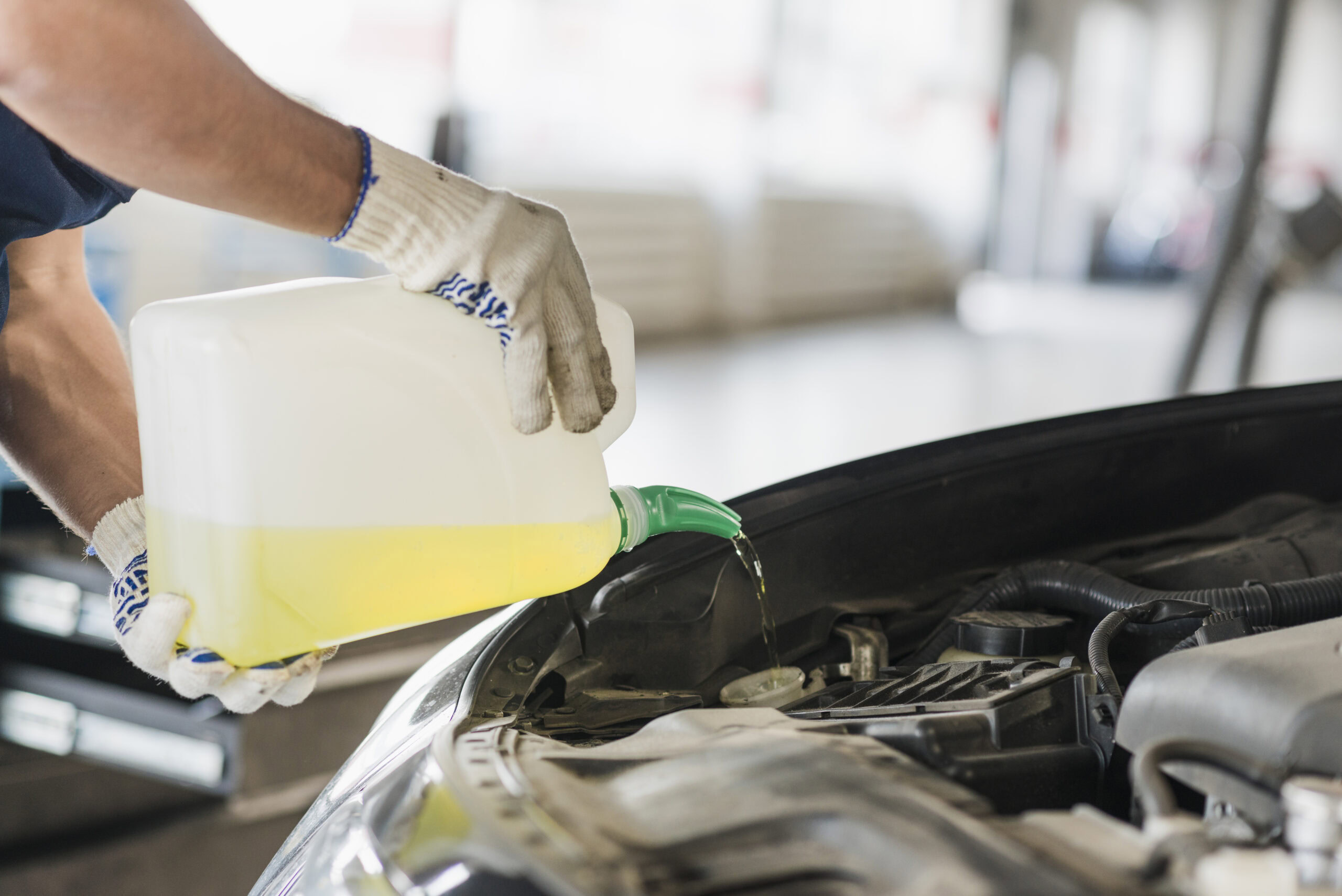
- Add New Oil: After replacing the drain plug, use a funnel to add new oil. Check your owner’s manual for the correct amount. Pour slowly to avoid spills, just like filling a delicate vase with water.
- Dispose of Old Oil Properly: Make sure to dispose of the old oil at a recycling center. Many auto shops in Maryhill offer this service. Proper disposal is crucial for environmental health, much like recycling household waste.
Professional Oil Change Services in Maryhill
If you’re not comfortable doing it yourself, MJ’Z Garage Auto Sales offers reliable oil change services.
Advantages of Professional Services
Professional services ensure that the job is done correctly and efficiently. Technicians can also check for other potential issues, giving you peace of mind. Think of a professional service as a comprehensive health check-up for your car.
Why Choose MJ’Z Garage Auto Sales?
Located in Maryhill, MJ’Z Garage Auto Sales provides excellent customer service and expertise. Their team is well-trained to handle all types of vehicles, ensuring your car receives the best care possible. Choosing a professional service can sometimes uncover hidden issues, like a mechanic discovering a worn-out belt during a routine oil change.
Seasonal Tips for Oil Changes
Different seasons present different challenges for your vehicle.
Winter Oil Change Tips
Cold temperatures can thicken engine oil, making it less effective. Consider switching to a synthetic oil during the winter months to ensure your engine starts smoothly. Synthetic oil acts like a cold-weather jacket for your engine, providing protection and reliability.
Summer Oil Change Tips
In the summer, your engine works harder and runs hotter. Make sure your oil is at the proper level and consider using a high-mileage oil if your vehicle has a lot of wear. High-mileage oils are like sunscreen for your engine, protecting it from the harsh summer heat.
By following these guidelines, you’ll ensure that your vehicle remains in peak condition, no matter the season. Remember, regular maintenance is key to a long-lasting vehicle. Whether you choose to perform an oil change yourself or entrust it to professionals like MJ’Z Garage Auto Sales, keeping your engine lubricated and clean is crucial for safe and efficient driving.
Don’t wait until it’s too late—schedule your next oil change today.